Stop re-explaining. Stay in control.
You ship with agents every day. The re-explain ritual at the top of every session and the drift halfway through are the tax. Scope Architect removes both: one plan every agent reads and writes, memory that carries across sessions, and runs that stop at the budget you set.
Every session starts where the last one stopped.
Connect Claude Code, Cursor, or Codex over hosted MCP. The agent pulls the next ready task with its acceptance criteria and everything the last session decided, then writes back status, comments, and memory as it works. Context blocks carry the always-on rules. Nothing to paste, nothing to re-explain, no CLAUDE.md sprawl to keep in sync.
Track it →- Hosted MCP, OAuth or one pasted line
- Context blocks injected on every session
- Memories agents record and search
- Decisions written back to the plan
- Not a markdown file in your repo
Switching agents costs nothing.
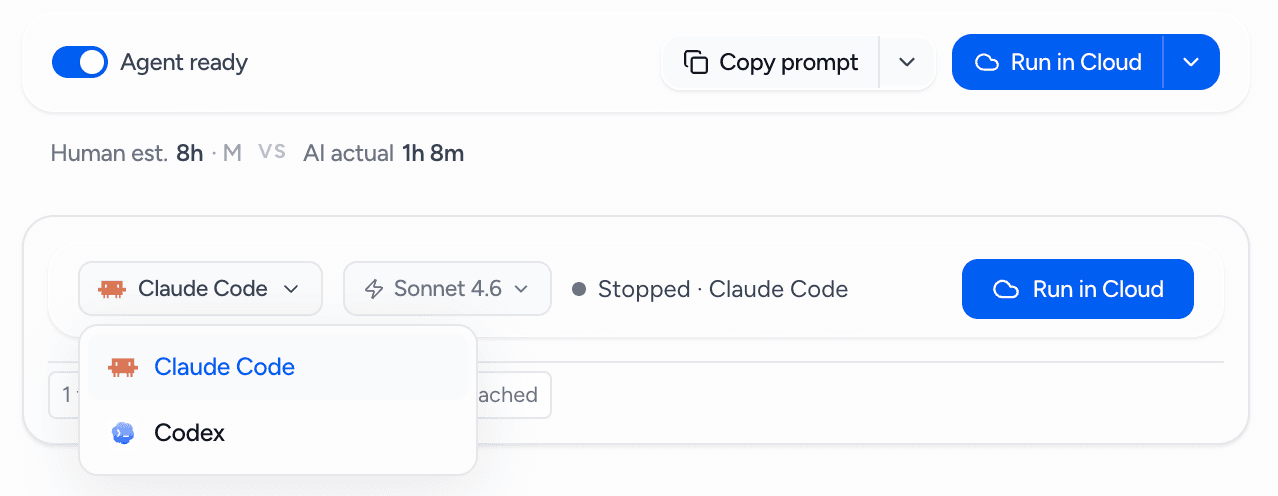
The plan is the system of record, not the chat. Work a module in Cursor in the morning, hand the next one to Claude Code in the afternoon, queue the third to a cloud agent overnight. Each one reads the same board and writes to it. Every change is attributed, so you can tell who did what when you review.
Build from it →- Claude Code, Cursor, VS Code, Windsurf, Codex, Gemini CLI
- Cloud runs on Claude Code or Grok Build
- Agent identity on every change
- Team and project-scoped keys
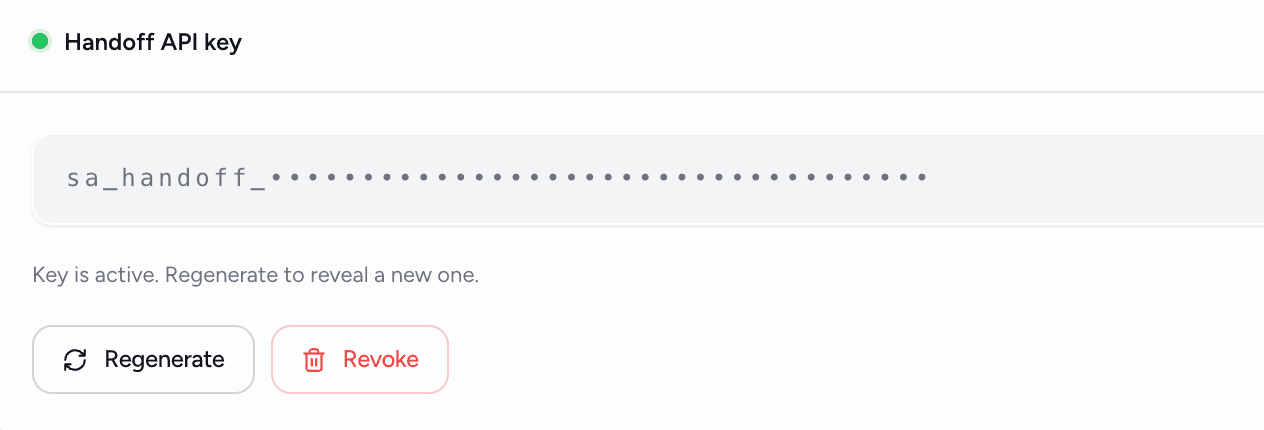
- Handoff REST API for CI and scripts
Leave it running. It stops on its own.
Queue a whole module and the tasks run in dependency order. Cap it in tasks, dollars, or minutes. Gate each task on your approval, or let it run to the cap. A failed run pauses the queue instead of burning the rest. In your editor, the Autopilot skill runs the same loop with the scope as its only state. Unattended is not unsupervised.
See budgets and gates →- Budgets in tasks, dollars, or minutes
- Approval gates per task
- Pause on failure
- Run plans proposed in chat, applied on approval
- Autopilot skill for Claude Code, Cursor, Codex